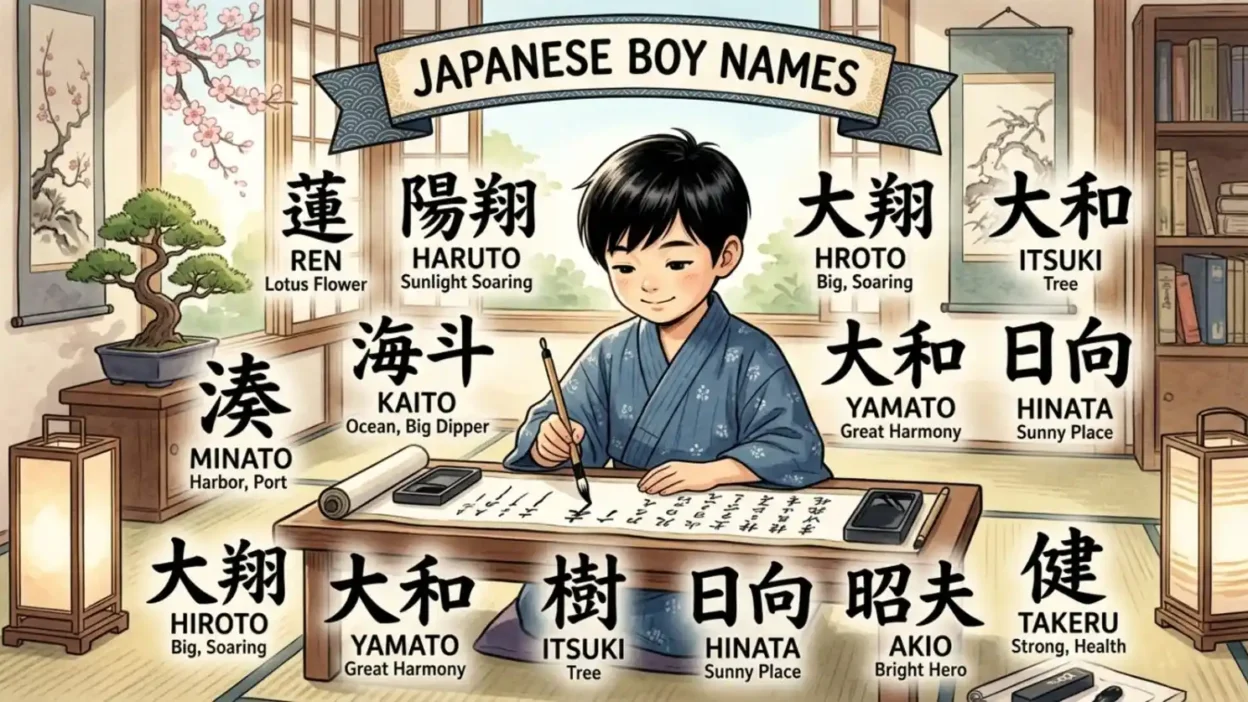
Choosing a name is one of the most emotional and meaningful decisions a person can make. A name carries identity, personality, culture, memory, and sometimes even destiny. Whether you’re naming a baby, creating a character, exploring your heritage, rebranding yourself online, or simply fascinated by Japanese culture, finding the right Japanese-inspired boy name can feel both exciting and overwhelming.
Japanese names are especially powerful because they often combine beautiful sounds with deep meanings connected to nature, strength, wisdom, light, seasons, emotions, and family values. Unlike many naming systems, Japanese names can express layered symbolism through kanji characters, making each choice feel intentional and poetic.
Some parents want something traditional and timeless. Others want a modern anime-inspired name, a soft aesthetic vibe, or a rare option nobody else is using. Some people search for names that sound strong and masculine, while others want gentle, artistic, or spiritual energy.
This guide is designed to help every type of reader discover names that genuinely fit their goals, personality preferences, and emotional vision.
Quick Intent Guide: Which Type of Japanese Name Fits You?
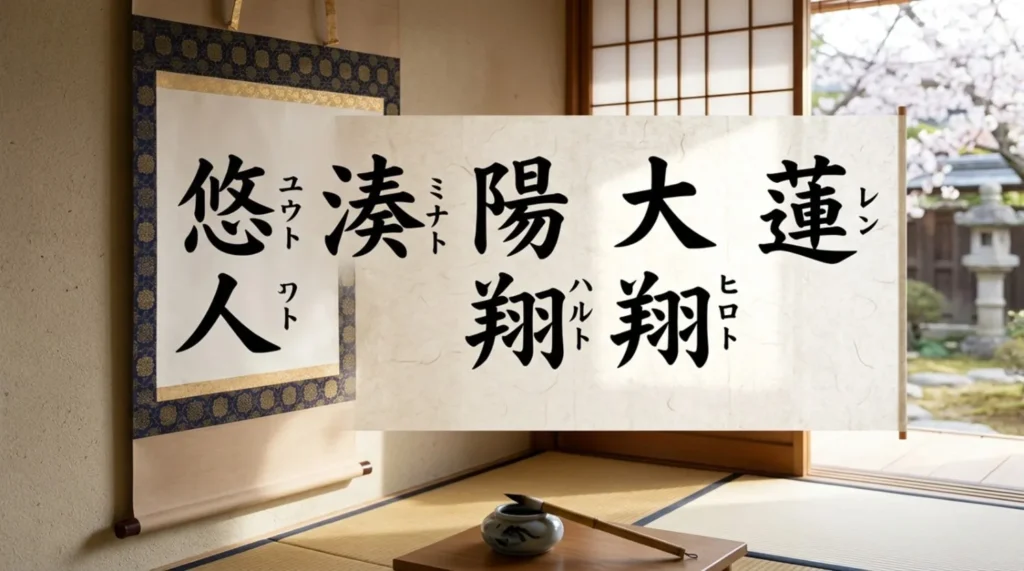
Before diving into the lists, here’s a simple way to narrow your search based on your situation.
If You Want a Classic and Timeless Name
Look for traditional names like:
- Haruto
- Ren
- Takumi
- Hiroshi
- Daichi
These names feel balanced, respected, and culturally rooted.
If You Want Something Rare and Unique
Explore uncommon options like:
- Itsuki
- Kaoru
- Minato
- Reo
- Souta
These stand out without sounding strange or forced.
If You Love Anime or Modern Japanese Culture
Stylish modern favorites include:
- Levi-inspired names like Ren
- Cool protagonist-style names like Akira
- Futuristic names like Kai or Riku
These often feel sleek, memorable, and globally appealing.
If You Prefer Soft, Cute, or Gentle Energy
Consider:
- Yuki
- Haru
- Sora
- Kaito
- Hinata
These names sound warm, youthful, and approachable.
If You Want Strong and Powerful Masculine Energy
Explore:
- Takeshi
- Ryota
- Kenji
- Raiden
- Tatsuya
These names project confidence, resilience, and leadership.
Why Japanese Boy Names Are So Meaningful
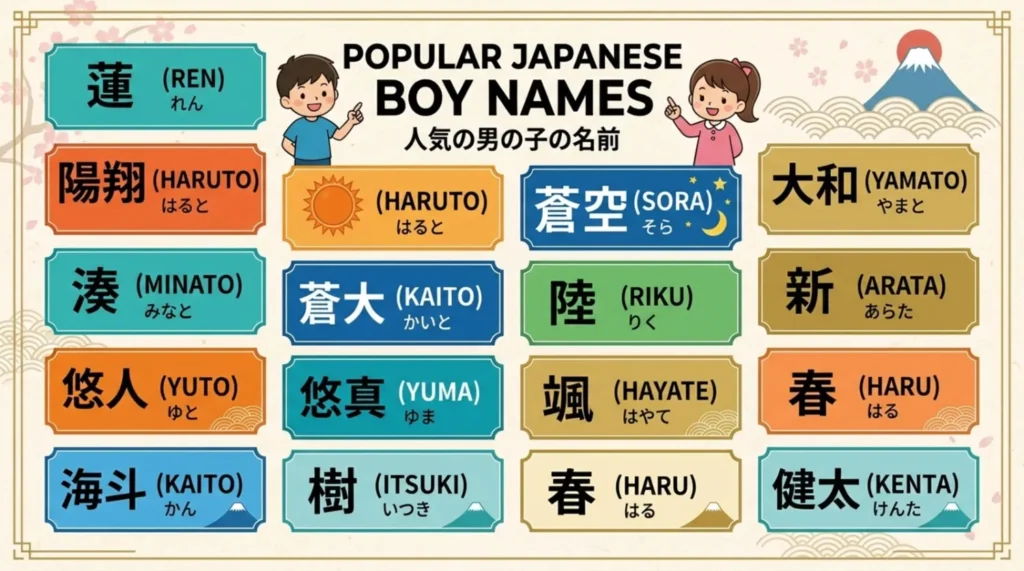
One reason Japanese names are admired worldwide is that they often carry intentional symbolism. In many cultures, names are chosen primarily because they sound nice. In Japan, meaning frequently matters just as much as pronunciation.
A single name may symbolize:
- Light
- Courage
- Ocean energy
- Intelligence
- Peace
- Nature
- Honor
- Longevity
- Protection
- Creativity
For example:
- Haruto can relate to sunlight or flying.
- Ren often symbolizes love or lotus.
- Sora means sky.
- Daiki can imply greatness and brightness.
This depth creates emotional connection. People are naturally drawn toward names that communicate identity and aspiration.
Psychologically, names also influence perception. Studies in naming psychology suggest that people unconsciously associate certain sounds with personality traits. Softer vowel-heavy names often feel kind and artistic, while sharper consonant sounds feel bold and dominant.
That’s why choosing the right name is not just about style. It’s about emotional resonance.
Most Popular Japanese Boy Names Right Now
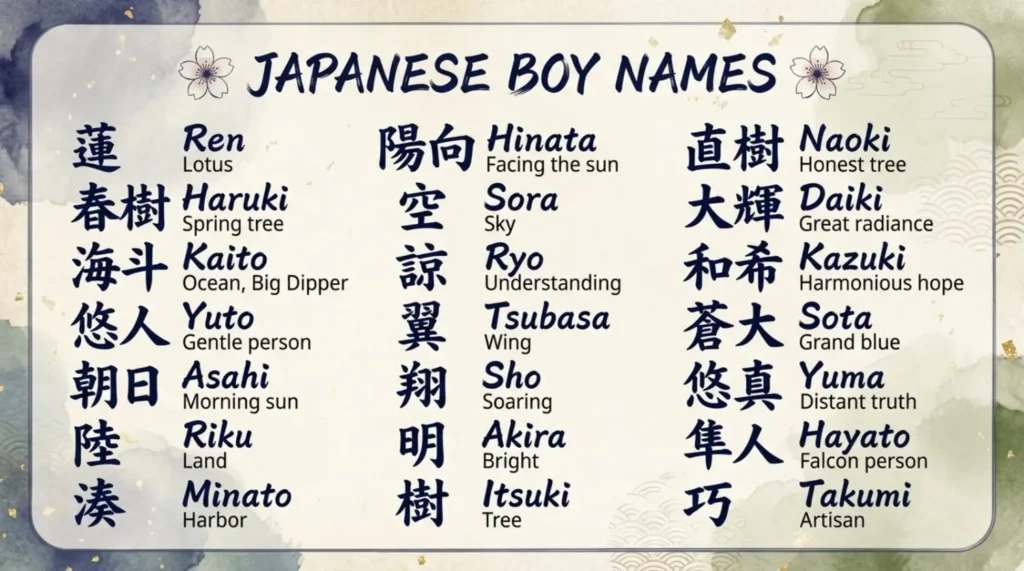
These names remain highly searched and admired because they balance tradition with modern appeal.
Haruto
Meaning often relates to sunlight, flying, or clear skies. Haruto feels warm, optimistic, and modern.
Ren
Minimalist and stylish. Often associated with lotus or love. Popular because it sounds internationally friendly.
Yuto
A smooth and energetic name connected to gentleness or excellence.
Minato
Associated with harbors and calm strength. Increasingly popular among modern parents.
Sota
Bright, fresh, youthful, and contemporary.
Kaito
Often connected to oceans or soaring skies. Adventurous and cool.
Riku
Associated with land and strength. Simple yet memorable.
Itsuki
Nature-inspired and sophisticated.
Hiroto
A polished traditional-modern hybrid with strong masculine energy.
Yuma
Friendly, approachable, and emotionally warm.
Cute Japanese Boy Names With Gentle Energy
Cute names don’t have to feel childish. Many soft Japanese names sound elegant and emotionally intelligent.
Haru
Means spring or sunlight depending on kanji. Calm, cheerful, and uplifting.
Yuki
Associated with happiness or snow. Soft and peaceful.
Sora
Means sky. Popular for its dreamy and aesthetic feeling.
Hinata
Linked to sunlight and warmth.
Rio
Short, stylish, and internationally adaptable.
Niko
Bright and cheerful sounding.
Aoi
Associated with hollyhock flowers or blue tones.
Koki
Playful but balanced.
Towa
Connected to eternity and timelessness.
Sena
Modern, clean, and gentle.
These names work especially well for:
- Creative personalities
- Artistic families
- Anime-inspired naming
- Modern minimalist aesthetics
Strong and Powerful Japanese Boy Names
Some names naturally project authority, resilience, and leadership.
Takeshi
Traditionally associated with strength and warrior energy.
Kenji
Can symbolize intelligence and strength combined.
Raiden
Inspired by thunder and lightning mythology. Powerful and dramatic.
Tatsuya
Associated with dragons and achievement.
Ryota
Energetic and athletic sounding.
Isamu
Means courage or bravery.
Daichi
Linked to the earth and greatness.
Masaru
Associated with victory and excellence.
Kenta
Strong and dependable.
Akio
Bright hero-like energy.
These names are ideal for people who want:
- Confident identity
- Masculine balance
- Leadership symbolism
- Bold character energy
Unique Japanese Boy Names That Stand Out
Some people want names that feel rare without becoming difficult to pronounce.
Kaoru
Elegant and artistic.
Reon
Modern and internationally stylish.
Hikaru
Associated with light and brilliance.
Zen
Minimalist and spiritual.
Arata
Means fresh or new.
Nozomu
Associated with hope and wishes.
Shion
Soft yet mysterious.
Taiga
Connected to large rivers and natural power.
Kazuki
Warm, refined, and sophisticated.
Soutarou
Traditional but uncommon internationally.
Unique names work especially well for:
- Writers
- Gamers
- Digital creators
- Rebranding projects
- Distinctive baby naming
Aesthetic Japanese Boy Names
Aesthetic names have become increasingly popular online thanks to anime culture, visual storytelling, TikTok trends, and minimalist branding aesthetics.
These names sound smooth, emotional, and visually pleasing.
Akira
Classic yet futuristic.
Rei
Clean, elegant, and mysterious.
Haruki
Associated with shining spring energy.
Kou
Minimal and stylish.
Yori
Gentle and artistic.
Subaru
Celestial and memorable.
Nagi
Peaceful ocean-wave energy.
Kiyoshi
Pure and calm.
Ritsu
Modern and rhythmic.
Jun
Simple sophistication.
These names often appeal to:
- Artists
- Musicians
- Writers
- Social media creators
- Anime fans
- Aesthetic-focused communities
Nature-Inspired Japanese Boy Names
Japanese naming traditions frequently draw inspiration from nature. These names feel grounded, peaceful, and symbolic.
Sora
Sky.
Kai
Ocean.
Haru
Spring.
Ren
Lotus.
Yuki
Snow.
Hayate
Wind.
Minoru
Harvest or growth.
Arashi
Storm.
Daiki
Great tree or great brightness.
Asahi
Morning sunlight.
Nature-based names often create emotional warmth because humans instinctively connect nature with peace, beauty, and authenticity.
Japanese Boy Names Inspired by Seasons and Weather
Seasonal names feel poetic and emotionally vivid.
Haruki
Spring brightness.
Fuyuki
Winter hope.
Natsuki
Summer energy.
Akihiko
Autumn prince-like elegance.
Raiden
Thunder and lightning.
Hayate
Fast wind.
Asahi
Morning sun.
Hinata
Sunny place.
Kumo
Cloud.
Arata
Fresh beginnings.
Seasonal names are especially meaningful for babies born during specific times of year.
Cool Japanese Boy Names for Modern Trends
Modern naming trends increasingly favor names that are:
- Short
- Internationally pronounceable
- Stylish online
- Easy to remember
- Anime-friendly
Here are strong modern options:
Kai
Minimalist global appeal.
Ren
Elegant and cool.
Ryo
Sharp and memorable.
Jin
Strong but simple.
Leo
Modern Japanese crossover style.
Kyo
Futuristic and bold.
Taki
Short and energetic.
Sho
Clean and modern.
Riku
Adventure-focused energy.
Yuma
Friendly contemporary feel.
These names work especially well in:
- Gaming
- Branding
- Social platforms
- Creative industries
- International environments
Traditional Japanese Boy Names With Cultural Depth
Traditional names carry heritage, dignity, and timeless respect.
Hiroshi
Generous and prosperous energy.
Takumi
Master craftsmanship and skill.
Noboru
Rise or ascend.
Shinji
Faithful and sincere.
Masato
Righteousness and balance.
Ichiro
First son tradition.
Jiro
Second son tradition.
Saburo
Third son tradition.
Hideo
Excellent man.
Yasuo
Peaceful and calm.
Traditional names are often preferred by families wanting:
- Cultural authenticity
- Strong historical roots
- Respectful identity
- Multi-generational meaning
Anime-Inspired Japanese Boy Names
Anime culture has heavily influenced global naming trends. Many people now search for names that feel cinematic, emotional, or heroic.
Levi-Style Vibes
While not originally Japanese, fans often pair names like:
- Ren
- Kyo
- Riku
with anime-inspired energy.
Naruto-Inspired Feeling
- Minato
- Itachi
- Sasuke
- Kakashi
Heroic Protagonist Energy
- Akira
- Haruto
- Hiro
- Kenji
Mysterious Character Vibes
- Rei
- Yoru
- Shiro
Anime-inspired naming usually emphasizes:
- Emotional memorability
- Distinct identity
- Stylish sound
- Character symbolism
Rare Japanese Boy Names You Don’t Hear Often
If uniqueness matters most, these hidden gems deserve attention.
Yukinari
Sophisticated and uncommon.
Tomohiro
Balanced and intellectual.
Kairi
Ocean-inspired elegance.
Michiaki
Wisdom and brightness.
Naoya
Honest and modern.
Ryusei
Shooting star imagery.
Tsubasa
Wings and freedom.
Kaname
Vital point or cornerstone.
Seiji
Order and fairness.
Toshio
Smart and respected.
Rare names create individuality while still feeling authentic.
Japanese Boy Names With Deep Meanings
Sometimes the emotional meaning matters more than the sound.
Makoto
Truth and sincerity.
Shin
Faith or truth.
Zen
Meditation and mindfulness.
Hikaru
Radiance and light.
Tomo
Wisdom and friendship.
Issei
First-born purity.
Kei
Blessing and respect.
Nobu
Trust and devotion.
Yuji
Courage and gentleness.
Kiyoto
Purity and clarity.
Meaning-driven names often create stronger emotional attachment over time.
Trending Japanese Boy Name Styles in 2026
Naming trends constantly evolve. Current trends show several strong patterns.
1. Short Minimalist Names
Names like:
- Kai
- Ren
- Rei
- Jin
are dominating because they work globally and digitally.
2. Nature and Sky Themes
Parents increasingly choose:
- Sora
- Haru
- Kai
- Asahi
because they feel peaceful and symbolic.
3. Anime and Gaming Influence
Pop culture continues shaping preferences for:
- Akira
- Levi-inspired aesthetics
- Riku
- Kyo
4. Soft Masculinity
Modern naming trends are shifting away from overly aggressive masculine styles toward balanced emotional energy.
Examples:
- Yuki
- Haruki
- Ren
- Minato
5. International Compatibility
Many people want names easy to pronounce across languages.
Popular globally adaptable choices:
- Leo
- Kai
- Ren
- Rio
These trends reflect broader cultural movement toward emotional intelligence, creativity, and global identity.
Japanese Boy Names Based on Personality
For Calm and Peaceful Personalities
- Zen
- Yuki
- Haru
- Nagi
- Jun
For Bold and Fearless Energy
- Raiden
- Takeshi
- Akio
- Daichi
- Tatsuya
For Creative and Artistic Souls
- Akira
- Kaoru
- Rei
- Haruki
- Yori
For Intelligent and Wise Vibes
- Takumi
- Shin
- Seiji
- Makoto
- Tomohiro
For Adventurous Spirits
- Kai
- Riku
- Hayate
- Minato
- Ryusei
Matching names to personality creates stronger emotional alignment.
Japanese Boy Names Inspired by Food and Creativity
Food-inspired naming is less traditional in Japanese culture but creative modern interpretations are growing online.
Mochi
Cute and playful aesthetic.
Matcha
Creative and artistic energy.
Soba
Minimalist quirky style.
Yuzu
Fresh citrus-inspired charm.
Bento
Playful nickname-style option.
These are more commonly used for:
- Nicknames
- Online personas
- Pets
- Gaming identities
- Creative branding
Internationally Friendly Japanese Boy Names
Some names blend naturally across cultures and are easy for global audiences to pronounce.
Kai
Works beautifully worldwide.
Ren
Simple and memorable.
Leo
Japanese crossover appeal.
Rio
Modern international style.
Ken
Short and universally recognized.
Jin
Strong and elegant.
Rei
Minimalist sophistication.
Ryo
Stylish and adaptable.
These names are ideal for multicultural families or international environments.
How to Choose the Right Japanese Boy Name
A beautiful name is not only about popularity. It’s about fit.
1. Say the Name Out Loud
Does it feel natural emotionally? Some names look beautiful on paper but feel awkward verbally.
2. Think About Long-Term Identity
A cute baby name should still work professionally for an adult.
3. Consider Meaning Carefully
Japanese names often carry layered symbolism. Choose meanings that genuinely resonate.
4. Match Personality and Energy
Ask yourself:
- Calm or bold?
- Traditional or modern?
- Soft or powerful?
- Artistic or athletic?
5. Check Pronunciation Simplicity
Especially important for multicultural settings.
6. Imagine Real-Life Scenarios
Picture:
- School introductions
- Professional settings
- Social media usernames
- Creative branding
- Future adulthood
The best names grow naturally with the person.
Common Mistakes People Make When Choosing Japanese Names
Choosing Only Based on Anime Popularity
A trendy character name may lose emotional meaning over time.
Ignoring Pronunciation
If nobody can say the name comfortably, frustration may develop later.
Overcomplicating Rare Names
Uniqueness is valuable, but clarity matters too.
Focusing Only on Sound
Meaning and emotional association are equally important.
Following Trends Blindly
A name should feel personally meaningful, not just socially popular.
Advanced FAQ About Japanese Boy Names
What is the most popular Japanese boy name right now?
Names like Haruto, Ren, Kai, Minato, and Riku are currently among the most admired modern choices because they balance meaning, style, and global appeal.
What Japanese boy names mean strength?
Strong meaning-focused options include:
- Takeshi
- Daichi
- Kenji
- Raiden
- Tatsuya
These names are often associated with courage, leadership, and resilience.
What Japanese boy names are cute but masculine?
Balanced soft-masculine choices include:
- Haru
- Yuki
- Sora
- Ren
- Kaito
These feel gentle without losing masculine identity.
Which Japanese boy names work internationally?
Globally friendly names include:
- Kai
- Ren
- Leo
- Rio
- Ken
They are easy to pronounce across many languages.
What Japanese names are inspired by nature?
Popular nature-inspired choices include:
- Sora (sky)
- Kai (ocean)
- Haru (spring)
- Yuki (snow)
- Asahi (sunlight)
Are anime-inspired names good for real life?
Yes, if chosen thoughtfully. Many anime-associated names like Ren, Akira, and Haruto remain timeless and practical outside fandom culture.
What Japanese boy name means light?
Hikaru, Haruki, and Asahi are commonly associated with brightness, sunlight, and radiance.
What is a rare Japanese boy name?
Rare but meaningful choices include:
- Yukinari
- Michiaki
- Ryusei
- Kaname
- Seiji
How do Japanese names get their meanings?
Japanese names often derive meaning from kanji characters. Different kanji combinations can create unique interpretations even with similar pronunciations.
What is the best Japanese boy name overall?
There is no universal best name. The ideal choice depends on personality, emotional connection, meaning, cultural preference, and long-term identity.
Final Thoughts
A name is more than a label. It becomes part of someone’s story.
The right Japanese boy name can express strength, creativity, calmness, intelligence, warmth, individuality, or hope. Some names feel timeless and traditional, while others capture modern style and artistic energy. The best choice is the one that creates an emotional connection when you hear it.
Whether you’re searching for something cute, rare, aesthetic, powerful, nature-inspired, anime-influenced, or deeply symbolic, Japanese names offer extraordinary depth and beauty.
Take your time with the process. Say the names aloud. Imagine the future attached to them. Trust the emotional reaction you feel when one suddenly sounds right.
Sometimes the perfect name doesn’t just sound beautiful.
It feels meaningful.


