
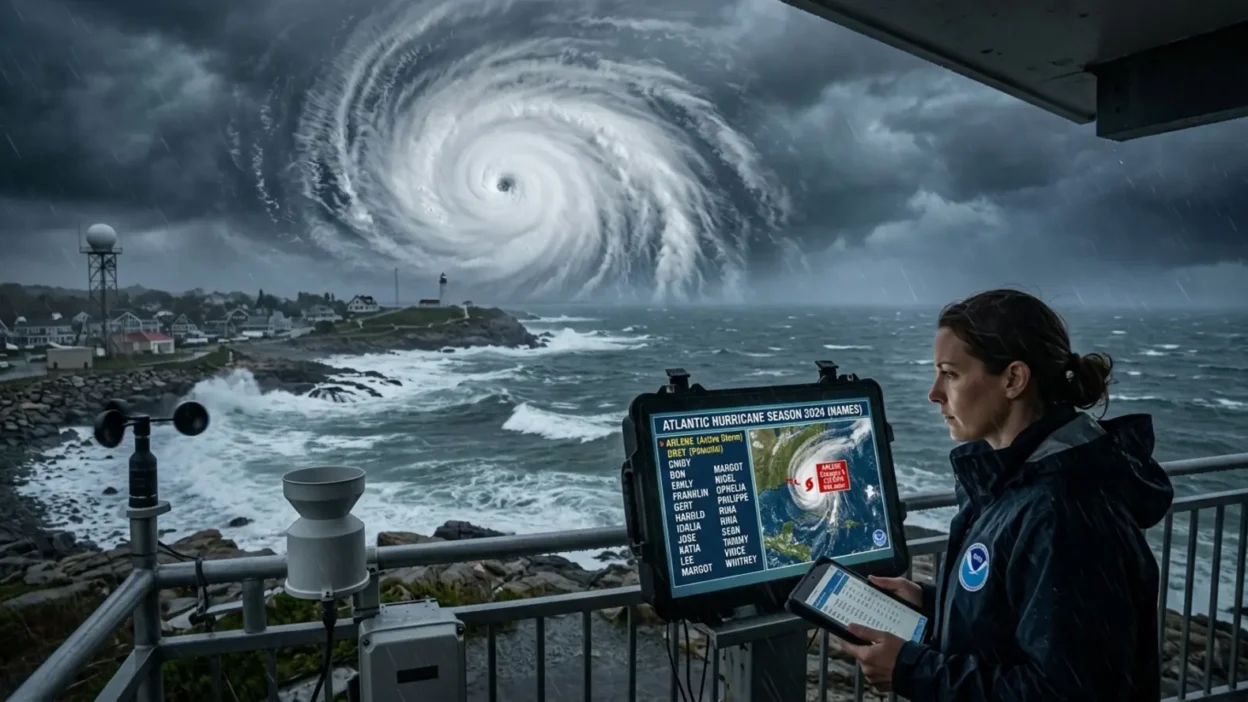
Every hurricane season brings more than powerful storms and weather headlines. It also introduces a new set of names that quickly become part of public conversation. Some names become associated with historic events, while others pass through the season with little attention. Yet behind every hurricane name is a carefully designed system created to improve communication, public safety, and storm awareness.
If you’ve been searching for the 2026 hurricane names, you’re likely looking for more than just a simple list. You may be curious about how names are chosen, why certain names disappear forever, what trends exist in storm naming, or which names could become memorable during the upcoming Atlantic hurricane season.
This comprehensive guide explores everything you need to know about the 2026 hurricane naming list, including the complete roster of names, the science and psychology behind storm naming, historical context, naming trends, and frequently asked questions. Whether you’re a weather enthusiast, journalist, student, researcher, or simply preparing for hurricane season, this article provides a complete and easy-to-understand resource.
Quick Guide: What Are You Looking For?
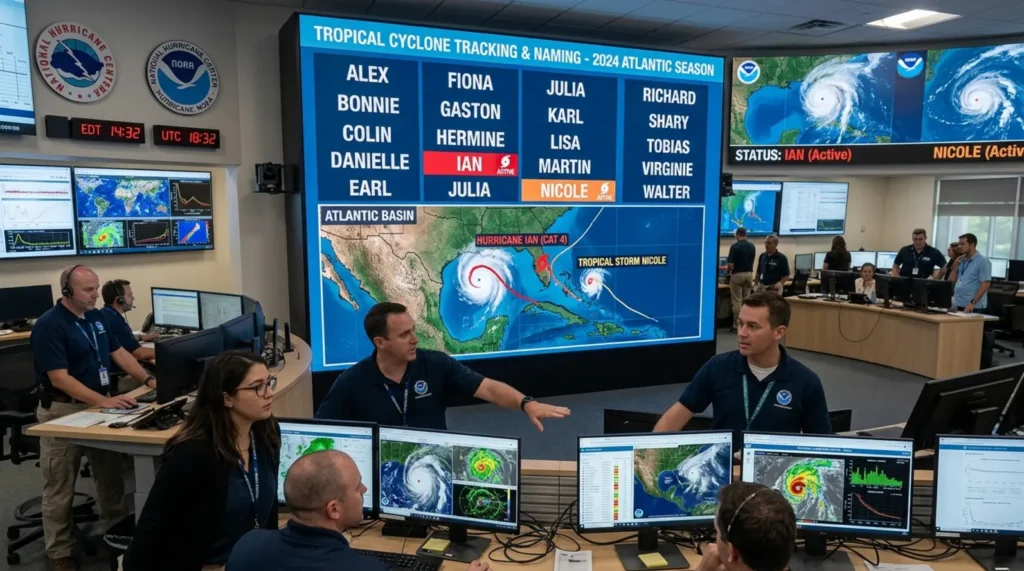
Different readers arrive with different questions. Here’s a quick way to find the information most relevant to you.
If You Want the Complete 2026 Hurricane Name List
Jump to the “Full 2026 Hurricane Names List” section.
If You Want to Know How Hurricane Names Are Chosen
See the “How Hurricane Naming Works” section.
If You’re Interested in Retired Hurricane Names
Read “Why Some Hurricane Names Are Permanently Retired.”
If You’re Looking for Naming Trends and Patterns
Check out “Hurricane Naming Trends in 2026.”
If You Want Historical Context
Explore the “History of Hurricane Naming” section.
If You’re Curious About Future Storm Names
Read the sections discussing rotation cycles and future naming lists.
Full 2026 Hurricane Names List
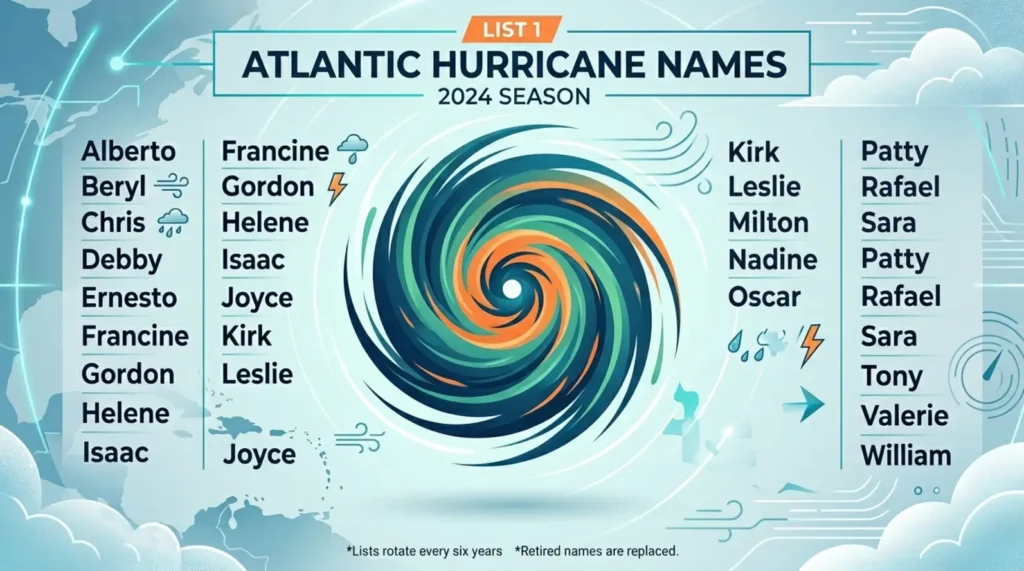
The Atlantic hurricane naming list used in 2026 follows a rotating six-year cycle maintained by the World Meteorological Organization (WMO). The same list used in 2020 returns in 2026, with retired names replaced by new selections.
The official Atlantic hurricane names for 2026 are:
- Arthur
- Bertha
- Cristobal
- Dolly
- Edouard
- Fay
- Gonzalo
- Hanna
- Isaias
- Josephine
- Kyle
- Leah
- Marco
- Nana
- Omar
- Paulette
- Rene
- Sally
- Teddy
- Vicky
- Wilfred
These names will be assigned sequentially as tropical storms develop and reach naming criteria during the Atlantic hurricane season.
Not every name will necessarily be used. Some seasons produce only a handful of named storms, while highly active seasons may use every available name on the list.
Why Do Hurricanes Have Names?
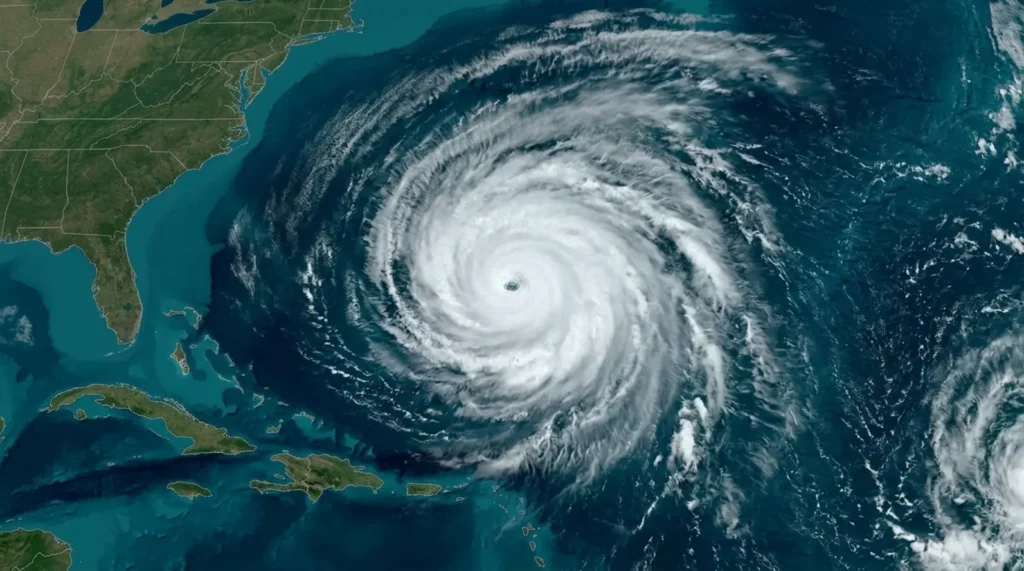
At first glance, naming storms may seem unnecessary. However, names play a critical role in public safety and communication.
Imagine meteorologists discussing several tropical systems at once. Referring to storms only by latitude, longitude, or technical identification numbers would create confusion among emergency managers, media outlets, and residents.
A simple, memorable name allows people to:
- Follow forecasts more easily
- Understand evacuation warnings
- Share information accurately
- Reduce communication errors
- Increase public awareness
Research consistently shows that people respond more effectively to information that is easy to remember. A recognizable name helps transform a technical weather event into something people can identify and track.
This is one reason hurricane naming remains one of the most successful communication strategies in modern meteorology.
The Psychology Behind Hurricane Names
Names influence perception.
Psychologists have long studied how names affect memory, attention, emotional response, and risk awareness. Hurricane names are no exception.
A short, clear, distinctive name tends to:
- Be remembered more easily
- Receive more media attention
- Improve public recognition
- Support emergency communication efforts
Names such as Katrina, Andrew, Sandy, and Harvey became deeply embedded in public memory because they were repeatedly associated with significant weather events.
When people hear a storm’s name repeatedly through news broadcasts, social media, weather alerts, and conversations, the name becomes a mental shortcut for the event itself.
This demonstrates why hurricane naming isn’t simply administrative—it is a practical tool designed to support public understanding.
How Hurricane Naming Works
Many people assume new hurricane names are invented every year. In reality, the process is far more structured.
The World Meteorological Organization maintains several rotating lists of names for different ocean basins around the world.
For the Atlantic:
- Six separate lists exist.
- Each list is reused every six years.
- Names alternate between male and female names.
- Names are arranged alphabetically.
- Certain letters are omitted because suitable names are limited.
Letters generally excluded include:
- Q
- U
- X
- Y
- Z
As storms form, names are assigned in order.
The first named storm receives the first name on the list, the second storm receives the second name, and so on throughout the season.
History of Hurricane Naming
The practice of naming storms has evolved significantly over time.
Early Naming Practices
Before formal systems existed, storms were often named after:
- Saints’ feast days
- Geographic locations
- Significant dates
- Local descriptions
This often created inconsistencies and confusion.
Military Naming Systems
During the 20th century, military meteorologists began using female names to identify storms.
The system proved effective because names were easy to communicate over radio transmissions.
Modern Naming Conventions
By the late 1970s, naming practices evolved to include both male and female names.
Today’s naming system aims to be balanced, internationally coordinated, and easy for the public to understand.
The result is a standardized process that supports weather forecasting worldwide.
Why Some Hurricane Names Are Permanently Retired
One of the most interesting aspects of hurricane naming is retirement.
A hurricane name may be permanently removed if a storm causes extraordinary:
- Loss of life
- Economic damage
- Cultural impact
- Historical significance
Retiring a name prevents future confusion and acknowledges the event’s lasting impact.
For example, names such as:
- Katrina
- Andrew
- Maria
- Harvey
- Ian
were retired after devastating storms.
When a name is retired, a replacement name is selected for future cycles.
This is why the 2026 list is not identical to every previous six-year rotation.
Understanding the 2026 Names: Personality and Characteristics
Although hurricane names are selected according to established lists rather than personality traits, many people naturally associate names with certain impressions.
Let’s look at a few examples.
Arthur
Strong, traditional, and memorable. Arthur projects stability and familiarity.
Cristobal
Distinctive and international in feel. Easy to recognize in weather reports.
Fay
Short and highly memorable. Brief names often gain attention quickly.
Gonzalo
Energetic and unique. The name stands out among Atlantic storm lists.
Josephine
Classic and elegant, making it easy for audiences to remember.
Teddy
Friendly and approachable sounding, though hurricanes themselves are never predictable based on name.
Wilfred
Distinctive and uncommon in modern usage, making it highly recognizable.
These impressions are purely psychological. Storm intensity has absolutely no relationship to the assigned name.
Hurricane Naming Trends in 2026
Modern naming discussions increasingly focus on communication effectiveness.
Several trends influence how people perceive hurricane names today.
1. Global Recognition
Names are selected to be understandable across multiple languages and cultures.
Global communication is increasingly important because storm coverage reaches audiences worldwide.
2. Pronunciation Simplicity
Names that are relatively easy to pronounce improve communication among:
- Forecasters
- Journalists
- Emergency managers
- Residents
3. Memorability
Names that are distinct from one another reduce confusion during active seasons.
4. Cultural Diversity
Modern naming lists include names reflecting a variety of linguistic and cultural backgrounds throughout the Atlantic region.
This diversity helps maintain broad international representation.
Most Recognizable Hurricane Names in History
Some hurricane names become permanently linked to major events.
Examples include:
Katrina
One of the most recognized hurricane names ever due to its devastating impact on the Gulf Coast.
Andrew
Remembered for its extraordinary destruction in South Florida.
Sandy
Known for widespread impacts across the northeastern United States.
Harvey
Associated with catastrophic flooding in Texas.
Maria
Remembered for severe impacts across Puerto Rico and the Caribbean.
These names demonstrate how storms can permanently shape public memory.
How Names Influence Media Coverage
Media organizations rely heavily on hurricane names.
A named storm allows journalists to:
- Create consistent headlines
- Track forecast updates
- Improve audience recognition
- Reduce confusion
Without names, weather reporting would become significantly more difficult.
Names also perform well in digital environments, where search engines, social media platforms, and news aggregators depend on clear identifiers.
This makes hurricane naming valuable not only for forecasting but also for information distribution.
Atlantic Hurricane Season Basics
Understanding hurricane names becomes easier when you understand the season itself.
The Atlantic hurricane season officially runs from:
June 1 through November 30
Most activity occurs between:
August and October
During this period:
- Tropical depressions may form.
- Systems can strengthen into tropical storms.
- Tropical storms receive official names.
- Some named storms become hurricanes.
Only storms reaching tropical-storm strength receive names.
Unique Facts About Hurricane Naming
Here are some fascinating facts many people don’t know.
Names Repeat
Most hurricane names return every six years unless retired.
Not Every Name Gets Used
Quiet seasons may use only a portion of the annual list.
Retirement Is Rare
Only particularly destructive storms lead to retirement.
Multiple Ocean Basins Have Different Lists
The Atlantic, Eastern Pacific, Western Pacific, and other regions maintain separate naming systems.
Naming Begins Before Hurricane Status
A tropical storm receives a name before becoming a hurricane.
These details help explain why naming remains an essential forecasting tool.
International Perspectives on Storm Naming
Different regions use unique naming systems.
Around the world, tropical cyclones may be named using:
- Human names
- Flowers
- Animals
- Cultural references
- Geographic terms
Some regions employ naming approaches that reflect local traditions and languages.
This international diversity highlights how naming serves both practical and cultural purposes.
What Makes a Hurricane Name Effective?
Several characteristics contribute to effective storm names.
Clarity
People must hear and understand the name quickly.
Distinctiveness
Names should sound different from one another.
Pronounceability
Broad audiences should be able to say the name easily.
Memorability
Names that stick in people’s minds improve public communication.
International Usability
Names should work across different languages and accents whenever possible.
The current Atlantic naming system is designed around these principles.
Future Hurricane Naming Trends
Looking ahead, experts expect continued emphasis on:
- Global accessibility
- Linguistic diversity
- Communication efficiency
- Public safety awareness
As technology evolves and information spreads faster than ever, clear naming conventions become even more important.
Artificial intelligence, automated alerts, voice assistants, and emergency notification systems all benefit from names that are easy to recognize and communicate.
This means future naming decisions will likely continue prioritizing clarity and international usability.
How to Track 2026 Hurricanes
If you want to follow storms throughout the season, consider monitoring:
- National weather agencies
- Hurricane forecast centers
- Emergency management updates
- Local weather broadcasts
- Official forecast maps
Tracking storms early helps residents understand risks and prepare appropriately.
Remember that the name itself does not indicate severity. Always focus on official forecasts and warnings.
Practical Guide: Understanding Hurricane Information
When a storm receives a name:
Step 1: Learn the Storm Category
A named tropical storm is not necessarily a hurricane.
Step 2: Monitor Forecast Updates
Storm intensity and track forecasts evolve frequently.
Step 3: Follow Official Sources
Avoid relying solely on social media rumors.
Step 4: Review Local Preparedness Plans
Know evacuation routes and emergency procedures.
Step 5: Stay Informed
Forecast accuracy improves as new data becomes available.
Using names correctly helps people follow these updates more efficiently.
Frequently Asked Questions About 2026 Hurricane Names
What is the first hurricane name for 2026?
The first name on the Atlantic list is Arthur. The first tropical storm reaching naming criteria will receive this name.
How many hurricane names are on the 2026 list?
The Atlantic list contains 21 names available for the season.
Why are some letters missing?
Letters such as Q, U, X, Y, and Z are generally omitted because there are fewer commonly used names beginning with those letters.
Are hurricane names chosen every year?
No. The Atlantic uses six rotating lists that repeat every six years unless names are retired.
Can a hurricane name be reused?
Yes. Most names return every six years unless officially retired.
What causes a hurricane name to be retired?
Names are retired when associated with exceptionally deadly or destructive storms.
Who decides hurricane names?
The World Meteorological Organization oversees the naming system and retirement decisions.
Does a stronger hurricane receive a stronger-sounding name?
No. Names are assigned sequentially based solely on storm formation order.
Can all 21 names be used in one season?
Yes. Extremely active seasons may use every name on the list.
Do other oceans use the same names?
No. Different ocean basins maintain separate naming systems and lists.
Final Thoughts
The 2026 hurricane names may appear to be a simple list, but they represent decades of meteorological planning, international cooperation, and public safety strategy. From Arthur to Wilfred, each name serves a practical purpose: helping millions of people communicate clearly about potentially dangerous weather events.
Understanding how hurricane names are selected, why some are retired, and how the system works provides valuable context during hurricane season. More importantly, it reminds us that names are not just labels—they are tools that connect forecasts, emergency warnings, news coverage, and public awareness.
As the 2026 Atlantic hurricane season unfolds, these names may become familiar through forecasts and headlines. Some will pass quietly through the season, while others may become part of weather history. Regardless of what happens, staying informed and relying on trusted weather information remains the most important preparation strategy.
Whether you’re a weather enthusiast, student, journalist, or resident in a hurricane-prone region, understanding the naming system helps make complex storm information easier to follow, share, and act upon.


